
- Home
- About Us
-
Products
- Split Ac & Cassette Ac & Floor Stand Ac
- Ducted & Package Air Conditioning
- Vrf / Vrv Systems
- Ventilation Systems
- Fan Coil Units (Fcu)
- Haima Industrial Panel AC
- Air Handling Units (Ahu)
- Heat Pump System
- Bms & Hvac Automation
- Duct Work System
- Precision Air Conditioning (Pac)
- Chiller Systems
- Kitchen Exhaust & Smoke Management Systems
- Flame Proof Ac / Explosion Proof Ac
- Services
- Blogs
- Contact Us
Haima Industrial Panel AC
Home >Haima Industrial Panel AC
Vipul HVAC Solution Pvt Ltd helps industrial customers explore Haima Industrial Panel Air Conditioning Solutions for electrical enclosure cooling applications. Whether you operate a manufacturing facility, automation plant, pharmaceutical unit, textile factory, or process industry, selecting the right panel air conditioner is an important step in protecting sensitive electrical components.
All Products
need any help ?
24/7 direct call
+91 800-0392-000
info@vipulhvacsolution.in
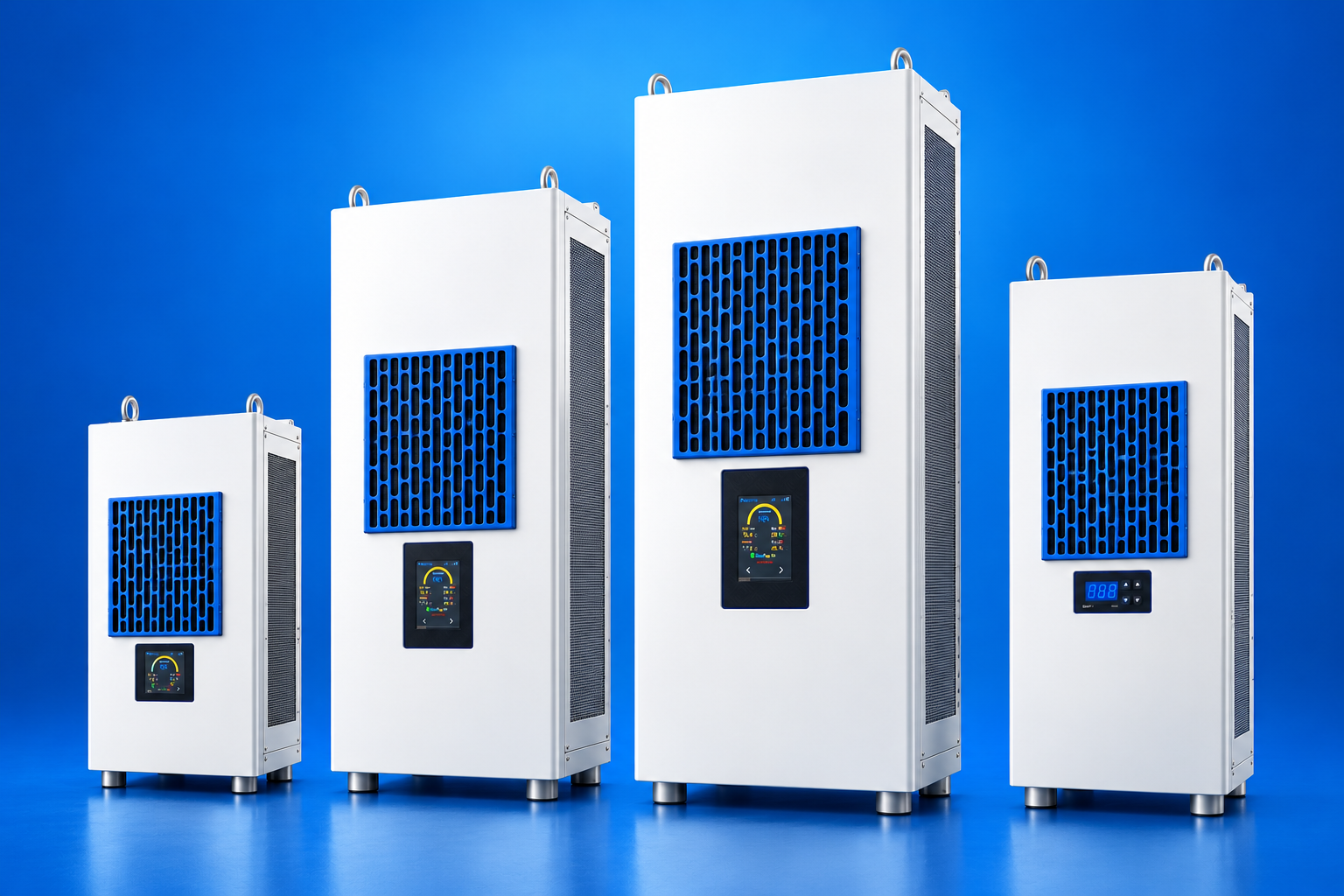
About Haima Industrial Panel Air Conditioners
Haima Industrial Panel Air Conditioners are designed to manage the temperature inside electrical control cabinets and industrial enclosures. Unlike conventional room air conditioners, panel air conditioners are designed for enclosure-mounted applications where electronic and electrical components generate heat within a relatively confined space.
Industrial electrical enclosures may contain PLCs, VFDs, servo drives, contactors, power supplies, relays, and automation controllers. These components can generate considerable heat during continuous operation. A properly selected panel air conditioner helps maintain a suitable internal temperature for the equipment.
Key Applications of Haima Panel AC
Electrical control panels and automation cabinets
PLC and SCADA control enclosures
Variable frequency drive (VFD) panels
Motor control centre (MCC) panels
Industrial machinery control cabinets
Manufacturing and process automation systems
Electrical enclosures in demanding industrial environments
Why Consider a Dedicated Panel Air Conditioner?
A dedicated panel cooling system can help maintain the required enclosure temperature, reduce the risk of heat-related equipment problems, and support reliable industrial operations. The correct solution depends on the enclosure design, internal heat load, surrounding temperature, dust exposure, and operating conditions.
Vipul HVAC Solution Pvt Ltd can help you identify the information needed to select a suitable industrial panel cooling solution.
Haima Panel AC Models and Cooling Capacities
Selecting a suitable panel air conditioner starts with understanding the enclosure’s heat load and operating environment. Haima offers industrial panel air conditioning products in different cooling capacities for different enclosure requirements.
The appropriate model depends on the heat generated by the electrical components, the size and construction of the enclosure, the ambient temperature, and the required internal temperature.
Important Factors When Comparing Panel AC Models
1. Cooling capacity
Cooling capacity determines how much heat the unit can remove under its specified operating conditions. The selected capacity should be appropriate for the calculated enclosure heat load.
2. Enclosure compatibility
Consider the enclosure dimensions, mounting arrangement, available installation space, and required clearances.
3. Operating temperature
Check the permitted ambient temperature range and the recommended internal enclosure temperature for the selected model.
4. Power supply
Confirm the required electrical supply, voltage, frequency, current, and protection requirements using the manufacturer’s datasheet.
5. Control and monitoring
Depending on the model, available features may include temperature controls, alarms, or communication capabilities. Verify the exact specifications before selecting a unit.
How to Compare Haima Panel AC Models
When evaluating different models, review these specifications:
Cooling capacity in watts (W) or kilowatts (kW)
Rated power consumption
Supply voltage and frequency
Permitted ambient operating temperature
Enclosure mounting configuration
Filter and maintenance arrangements
Protection ratings and control features
Dimensions and installation requirements
The correct product should be selected using the manufacturer’s current technical documentation rather than cooling capacity alone.
Looking for the right Haima panel AC model? Contact Vipul HVAC Solution Pvt Ltd with your enclosure dimensions, component heat-load information, and operating conditions for assistance with product selection.
Self-Cleaning Filter Technology and Key Benefits
Dust accumulation can be a significant challenge for industrial cooling equipment, particularly in factories and production environments where airborne particles are present.
Some industrial panel air conditioners incorporate self-cleaning filter technology designed to help manage filter contamination and reduce routine filter-cleaning requirements. Haima product features should be checked against the documentation for the specific model being considered.
Benefits of Self-Cleaning Filter Technology
Reduced routine maintenance effort
Automatic filter-cleaning features can help reduce the frequency of manual filter maintenance under suitable operating conditions. Actual maintenance requirements depend on the environment and product instructions.
Support for consistent airflow
Keeping the air intake and heat-transfer surfaces appropriately maintained helps the cooling system operate as intended. A self-cleaning feature does not eliminate the need for inspection.
Improved maintenance planning
Industrial maintenance teams can incorporate the panel AC into a planned maintenance schedule based on operating conditions and manufacturer recommendations.
Suitable for selected industrial environments
Panel AC solutions may be considered for manufacturing and process environments where dust exposure is a concern, provided the selected unit is suitable for the actual environmental conditions.
What Should You Check Before Purchasing?
Before choosing a self-cleaning panel air conditioner, confirm:
How the automatic cleaning mechanism operates
Whether the selected model includes this feature
The manufacturer’s filter inspection and replacement instructions
Permitted dust and environmental conditions
Required maintenance intervals
Applicable enclosure protection and installation requirements
A self-cleaning filter should not be treated as a guarantee of dustproof performance or maintenance-free operation. Proper model selection and installation remain essential.
Industrial Electrical Panel Cooling Applications
Industrial panel air conditioning is relevant wherever electrical and electronic components generate heat inside an enclosure. A properly selected unit helps manage the internal thermal environment and supports the reliable operation of industrial control equipment.
1. VFD Panel Cooling
Variable frequency drives regulate motor speed and can generate heat during operation. Panel cooling may be required where the calculated heat load exceeds what natural ventilation or other cooling arrangements can manage.
2. PLC and Automation Panel Cooling
PLCs, communication modules, control power supplies, and automation electronics may require a controlled enclosure temperature. Panel AC selection should account for the combined heat load and the equipment manufacturer’s environmental requirements.
3. MCC Panel Cooling
Motor control centres contain electrical components that can generate heat under operating conditions. Cooling requirements should be evaluated according to the panel configuration, equipment losses, enclosure construction, and site conditions.
4. Pharmaceutical Manufacturing
Pharmaceutical facilities may use electrical control panels for process equipment, utilities, packaging systems, and automation. Panel cooling equipment must be suitable for the installation area and its environmental requirements.
5. Chemical and Process Industries
Process plants may experience elevated ambient temperatures, airborne contaminants, or demanding operating conditions. The selected panel air conditioner must be rated for the actual environment and installed according to the manufacturer’s instructions.
6. Textile and General Manufacturing
Industrial machinery, drives, and automation systems in textile and manufacturing plants may benefit from dedicated enclosure cooling where internal heat loads require it.
7. Packaging and Industrial Machinery
Packaging lines and automated production machines use control panels that may operate for extended periods. Correct cooling capacity helps maintain the required enclosure temperature during normal operating conditions.
Application note: The panel AC’s environmental rating, enclosure protection, and installation suitability should always be verified for the intended industrial location.
How to Select the Right Panel AC Capacity
Choosing the right industrial panel AC capacity is essential for avoiding inadequate cooling or unnecessary oversizing. A reliable selection begins with an assessment of the heat generated inside the enclosure and the conditions in which the equipment operates.
Step 1: Calculate Internal Heat Generation
Identify the heat losses from components such as VFDs, power supplies, transformers, contactors, and other electronic equipment.
Use manufacturer-supplied loss data wherever possible. Do not assume that the total electrical input of every component is converted into heat inside the enclosure.
Step 2: Assess Ambient Temperature
Determine the maximum expected temperature surrounding the enclosure. The required cooling capacity and the unit’s performance can vary with ambient conditions.
Step 3: Review Enclosure Dimensions
Record the enclosure’s height, width, and depth, together with its material, insulation, mounting location, and exposure to solar radiation or nearby heat sources.
Step 4: Determine the Required Internal Temperature
Establish the target enclosure temperature based on the equipment specifications and the site’s operating requirements.
Step 5: Evaluate Additional Heat Gains
Consider heat entering through enclosure walls, solar exposure, adjacent machinery, and other external sources. Account for heat transfer and installation conditions as required by the design method.
Step 6: Select the Appropriate Cooling Capacity
Compare the calculated total heat load with the manufacturer’s rated cooling capacity at the expected operating conditions. Include appropriate engineering allowances and verify the manufacturer’s selection guidance.
Information Required for Panel AC Selection
Prepare the following information before requesting a quotation:
Electrical enclosure height, width, and depth
Estimated internal heat generation in watts
Maximum surrounding temperature
Desired internal enclosure temperature
Supply voltage and frequency
Indoor or outdoor installation
Dust, humidity, and other environmental conditions
Required control or monitoring features
A qualified selection should consider all these factors rather than relying on enclosure size alone.
Haima Panel AC Supply and Support in Gujarat
Vipul HVAC Solution Pvt Ltd serves industrial and commercial HVAC requirements and can assist customers exploring industrial panel cooling solutions.
Businesses looking for a Haima industrial panel AC supplier in Gujarat can contact our team to discuss their requirements and determine the appropriate next steps for product availability, technical specifications, and quotations.
Industrial Markets We Aim to Serve
Our proposed service coverage includes industrial customers in:
Ahmedabad
Surat
Vadodara
Bharuch
Ankleshwar
Vapi
Other industrial locations across Gujarat
Who Can Benefit from Our Panel Cooling Solutions?
Our target customers include:
Electrical panel manufacturers
Industrial automation integrators
EPC contractors and MEP consultants
Factory maintenance departments
Machinery manufacturers
Industrial project procurement teams
Pharmaceutical, chemical, textile, and engineering industries
Why Contact Vipul HVAC Solution Pvt Ltd?
Product supply, service availability, warranty coverage, and installation support should be confirmed for the specific model and location.
- Assistance with industrial cooling requirements
- Support in identifying suitable product specifications
- Guidance on evaluating enclosure heat loads
- Assistance with model selection and quotation enquiries
- Coordination for product availability and applicable technical documentation
What is an industrial panel air conditioner?
An industrial panel air conditioner is a dedicated cooling unit designed to control the temperature inside electrical enclosures containing control equipment, drives, automation electronics, and other heat-generating components.
What is a Haima Industrial Panel AC used for?
Haima industrial panel air conditioners are intended for applicable electrical enclosure cooling requirements. The appropriate application depends on the selected model’s capacity, environmental ratings, and technical specifications.
How do I choose the right panel AC capacity?
Calculate the internal component heat losses, assess external heat gains, identify the maximum ambient temperature, and determine the desired internal temperature. Then select a unit based on its rated performance under the expected conditions.
What is a self-cleaning panel AC filter?
A self-cleaning filter system incorporates a mechanism intended to help remove accumulated dust from the filter. The exact mechanism, operating requirements, and maintenance instructions depend on the product model.
Can a panel AC be used for VFD and PLC panels?
Yes, a suitable panel air conditioner can be used for VFD and PLC enclosures when its cooling capacity, electrical specifications, mounting arrangement, and environmental ratings meet the application’s requirements.
Is an industrial panel AC the same as a precision air conditioner?
No. An industrial panel AC primarily cools an electrical enclosure. A precision air-conditioning system is generally designed to control the environmental conditions of a room or designated space, such as a data centre or technical room.
Can I use a panel air conditioner outdoors?
Outdoor use depends on the selected model’s permitted ambient conditions, enclosure protection, mounting arrangement, weather exposure, and installation instructions. Confirm suitability with the manufacturer before installation.
Where can I enquire about Haima panel AC in Gujarat?
You can contact Vipul HVAC Solution Pvt Ltd to discuss the required cooling capacity, product specifications, availability, and quotation for your industrial application. Confirm the current supply and support arrangements for your location.
What information is needed for a panel AC quotation?
Provide the enclosure dimensions, estimated heat load, maximum ambient temperature, target internal temperature, supply requirements, installation environment, and preferred model if known.
Does a self-cleaning panel AC eliminate all maintenance?
No. Automatic filter cleaning may reduce some routine maintenance tasks, but periodic inspection, cleaning, and servicing must follow the manufacturer’s recommendations and the actual operating environment.